

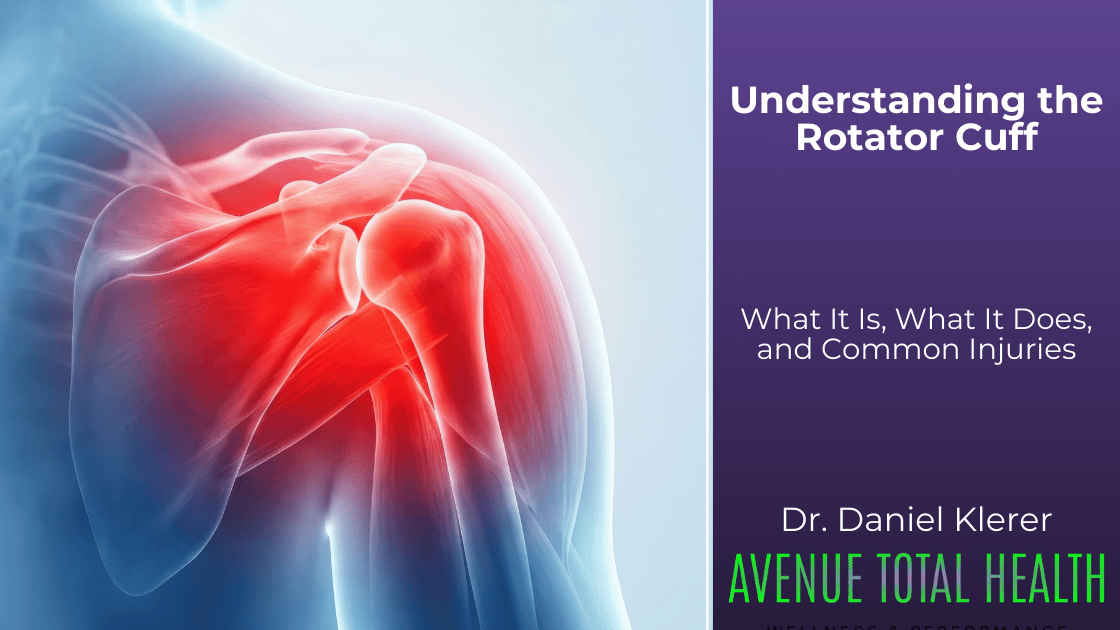
Shoulder pain is one of the most common musculoskeletal complaints, especially among athletes, active adults, and people with physically demanding jobs. At the center of many of these issues is a structure called the rotator cuff. Despite the name, the rotator cuff isn’t a single muscle or tendon—it’s a coordinated system that plays a major role in shoulder strength, stability, and movement.
Understanding how the rotator cuff works, and what commonly goes wrong, can help you recognize injuries early and make smarter decisions about treatment and recovery.
What Is the Rotator Cuff?
The rotator cuff is made up of four muscles and their tendons that surround the shoulder joint. These muscles originate from the shoulder blade and attach to the top of the upper arm bone (the humerus). Together, they help stabilize the shoulder and control arm movement.
The four rotator cuff muscles are:
- Supraspinatus – helps lift the arm away from the body
- Infraspinatus – assists with external rotation of the arm
- Teres minor – also aids external rotation and stability
- Subscapularis – responsible for internal rotation of the arm
These muscles work together to keep the head of the humerus centered in the shoulder socket while allowing a wide range of motion. Without a healthy rotator cuff, even simple movements like reaching overhead or lifting an object can become painful or difficult.
What Does the Rotator Cuff Do?
The shoulder is the most mobile joint in the body, but that mobility comes at the cost of stability. The rotator cuff’s primary roles are:
- Stabilizing the shoulder joint during movement
- Controlling rotation of the arm
- Assisting with lifting and lowering the arm
- Protecting the shoulder during dynamic or repetitive activity
In sports and fitness, the rotator cuff is constantly active—whether you’re throwing a ball, swimming, lifting weights, or performing overhead movements. This is why it’s such a focus in sports therapy and athletic recovery programs, especially in active populations around Toronto.
Common Rotator Cuff Injuries
Because of its constant use and relatively limited blood supply, the rotator cuff is vulnerable to injury. Below are the most common conditions that affect it.
1. Rotator Cuff Tendinitis / Tendinopathy
This is one of the most frequent causes of shoulder pain. Tendinitis occurs when the rotator cuff tendons become irritated or overloaded, often due to repetitive overhead activity, poor movement mechanics, or sudden increases in training volume.
Common symptoms include:
- Dull or aching shoulder pain
- Pain with overhead or reaching movements
- Discomfort that worsens after activity
- Mild weakness due to pain (not true loss of strength)
This condition is especially common in athletes and active individuals and is a frequent focus in sports therapy Toronto clinics, where early intervention can prevent progression.
2. Rotator Cuff Tears
Rotator cuff tears can be partial or full-thickness and may occur suddenly (from a fall or heavy lift) or gradually due to wear and tear over time.
Common symptoms include:
- Sharp or deep shoulder pain
- Weakness when lifting or rotating the arm
- Difficulty reaching overhead or behind the back
- Night pain, especially when lying on the affected side
Not all tears require surgery, but proper assessment and guided athletic recovery in Toronto can make a major difference in outcomes.
3. Shoulder Impingement Syndrome
Impingement occurs when the rotator cuff tendons become compressed between the upper arm bone and the shoulder blade during movement. This often results from poor posture, muscle imbalances, or altered shoulder mechanics.
Common symptoms include:
- Pain during mid-range lifting (often between 60–120 degrees)
- Pinching sensation in the front or side of the shoulder
- Pain that increases with repeated overhead use
Impingement frequently overlaps with tendinitis and is commonly addressed through corrective exercise and movement retraining.
4. Degenerative Changes and Overuse Injuries
As we age, the rotator cuff tendons naturally undergo degenerative changes. Reduced blood supply, repetitive stress, and years of use can lead to tendon thickening, fraying, or weakness.
This doesn’t only affect older adults—athletes and physically active individuals can experience similar changes if recovery is inadequate. This is why structured athletic recovery programs in Toronto emphasize load management, mobility, and strength balance.
Why Early Care Matters

Rotator cuff injuries often start subtly and worsen over time if ignored. What begins as mild discomfort can progress into chronic pain, stiffness, or loss of function. Early assessment, proper movement analysis, and targeted rehabilitation can help reduce pain, restore strength, and prevent long-term damage.
Whether you’re an athlete, weekend warrior, or someone dealing with shoulder pain from daily activities, booking an appointment with a qualified sports therapy Toronto professional can help you understand the root cause of your symptoms and build a plan for recovery.
Final Thoughts
The rotator cuff plays a vital role in nearly every shoulder movement we perform. When it’s healthy, it allows strength, stability, and freedom of motion. When injured, it can significantly impact quality of life and performance.By understanding what the rotator cuff does and recognizing common injuries early, you’re better equipped to protect your shoulders and support long-term athletic recovery—whether in Toronto or beyond.
Dr. Daniel Klerer on Instagram:
